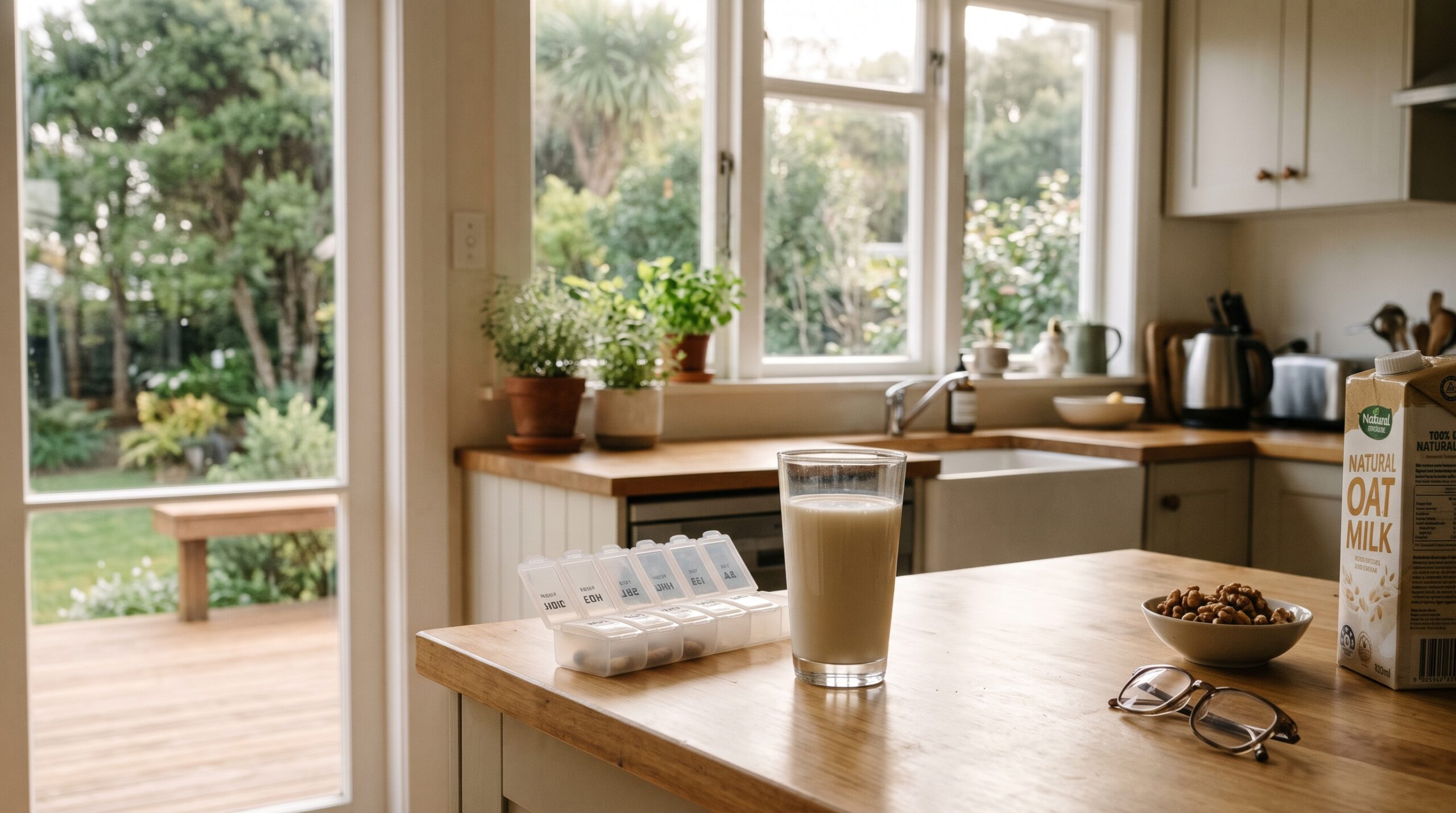
Taking Allergy Pills Daily? A Senior’s Guide to Gentle Relief & Dairy Alternatives
Worried about daily allergy pills? Learn the truth about antihistamine safety after 65, the difference between dairy allergies and lactose intolerance, and how to find relief.
Tags : dairy-free, micro-habits
Quick Summary
- Safe Relief: Modern second-generation allergy pills are generally safe for daily use, but regular GP check-ins are essential for seniors taking other medications.
- Know Your Gut: A true dairy allergy is an immune response, while lactose intolerance is a digestive issue; both can disrupt your daily peace.
- One Thing Different: Swap cow’s milk for oat or almond milk—a tiny, frictionless habit that can immediately reduce bloating and inflammation.
Introduction
Waking up with a stuffy nose, itchy eyes, and a heavy head—we’ve all been there. Living here in New Zealand is a blessing, but all this beautiful greenery means the pollen can be brutal. I found myself quietly worrying, “Is it actually safe for me to take these allergy pills every single day?” At our age, we naturally worry about our liver and kidneys, and how these daily pills might mix with our other medications. After a frank conversation with my GP, I learned some practical truths about managing allergies and why our daily habits matter more than we think.
Section 1:
The Root Benefit (Why This Matters After 65) As we age, our immune systems undergo subtle changes, and our bodies become more sensitive to both our environment and our diets. According to metabolic health principles, chronic inflammation—often triggered by the wrong foods or environmental allergens—slowly degrades our daily energy. My doctor explained that while modern second-generation antihistamines are much safer and don’t cause the drowsiness of older medications, they still process through the liver and kidneys. This means they need to be monitored, especially if you are on blood pressure or diabetes medication. Furthermore, digestive issues from dairy are often confused with allergies. Understanding the difference between a milk allergy (an immune response to proteins) and lactose intolerance (an inability to break down milk sugars) is crucial for restoring your gut foundation.
Section 2:
The Micro Habit (The Practical Daily Action) You don’t need a massive lifestyle overhaul to find relief. Start with Doing One Thing Different: swap out your regular cow’s milk for a plant-based alternative. If you notice bloating, gas, or mild itchiness after your morning coffee or cereal, simply switch to oat or almond milk. It requires zero extra time or willpower. This tiny shift removes a potential source of gut irritation, allowing your microbiome to settle and your digestion to function more smoothly.
Section 3:
Doing One Thing Different (Tips for Sustainability)
- Talk to Your GP: Don’t just guess with over-the-counter pills. A regular chat with your doctor ensures your allergy management is safe alongside your other medications.
- Use Subsidies: If you live in New Zealand, get a formal prescription. Using the PHARMAC subsidy, especially the Prescription Subsidy Scheme for seniors, makes managing long-term allergies much more affordable than buying off the shelf.
- Stock the Alternatives: Keep lactose-free milk or oat milk in your fridge so the healthy choice is always the most convenient one.
FAQ (Frequently Asked Questions)
Q: Is it safe for seniors to take allergy medication every day?
A: Yes, modern second-generation antihistamines are generally very safe. However, because older adults may have reduced kidney function or take other medications, it is highly recommended to have a GP review your daily regimen regularly.
Q: How can I tell if my stomach ache is an allergy or just intolerance?
A: A true milk allergy often involves skin rashes, hives, or breathing issues alongside stomach discomfort, as it is an immune reaction. Lactose intolerance is purely digestive (bloating, gas, diarrhea). A doctor can perform a simple blood test (Specific IgE) to confirm an allergy.
Conclusion
Allergies and food sensitivities might feel like permanent burdens, but they don’t have to dictate your retirement. By making tiny, manageable changes—like switching your morning milk—and partnering with your GP for safe medication management, you protect your body without adding stress to your day. It’s all about maintaining your quality of life, one comfortable, symptom-free day at a time.
Evidence & References
- Allergy New Zealand – Food Allergy & Allergic Rhinitis Guidelines.
- Health New Zealand (Te Whatu Ora) – Hay fever and antihistamines management.
- PHARMAC New Zealand – Subsidised medicines schedule for antihistamines and nasal sprays.