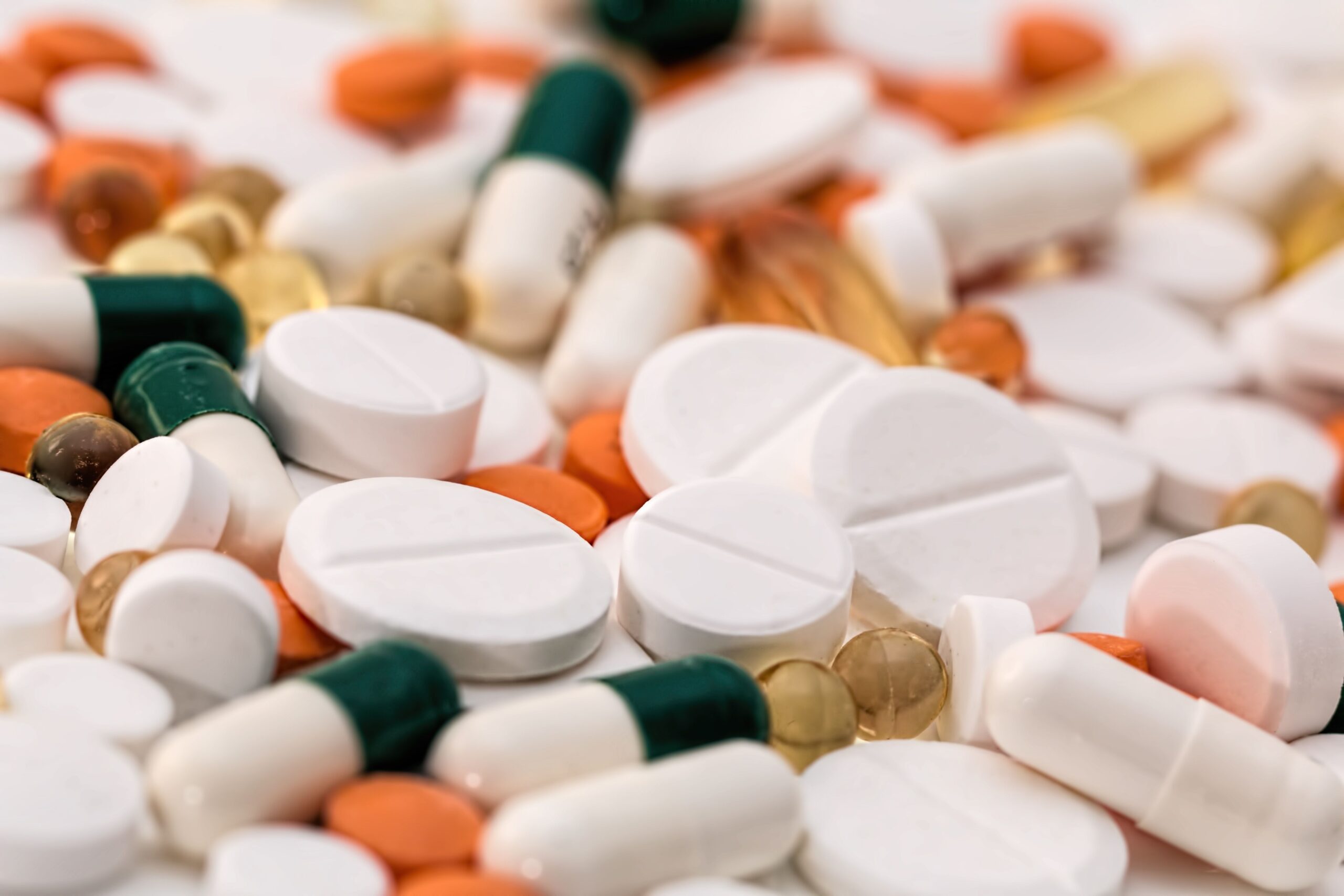
Was it the pills that defeated the virus, or was my body already on the mend? Understanding panadol and ibuprofen for flu in seniors—and recognizing the difference between curing an infection and managing symptoms—is essential for making wise health choices as we age.
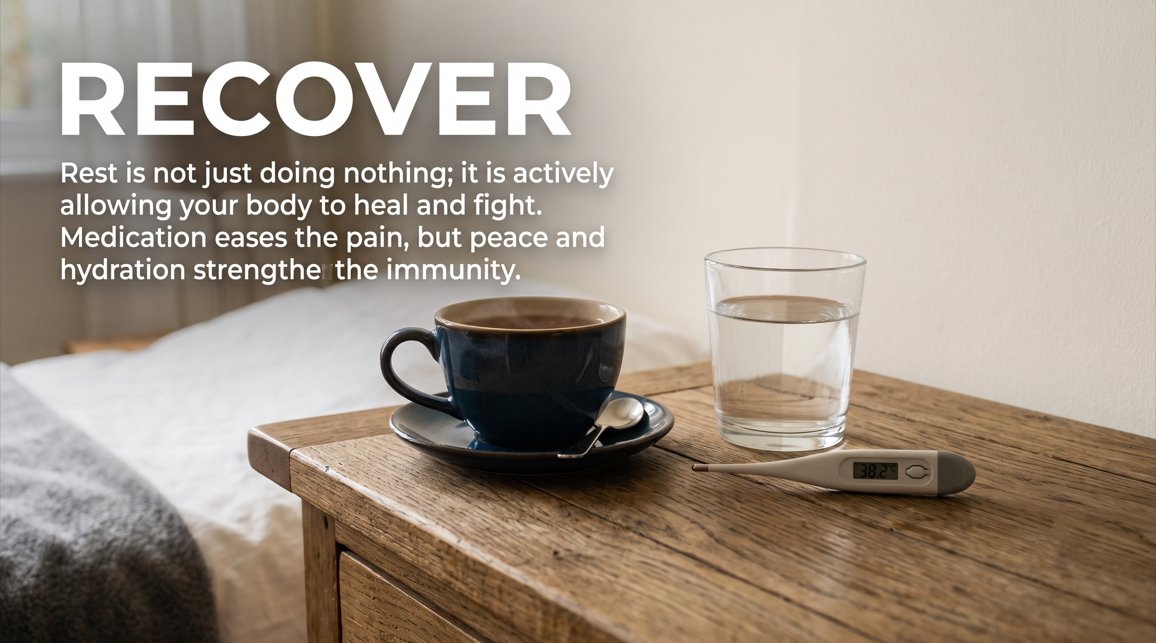
When you finally take medication after suffering from a severe flu for several days and begin to feel better, did the pills actually cure the illness, or did your immune system simply recover on its own?
For many years, I held a firm personal belief: “Medicine is generally bad for the body and should be avoided at all costs.” Whenever I caught a cold, flu, or seasonal virus, I preferred to endure the fever, severe body aches, and sleepless nights. I believed that waiting for my immune system to fight off the infection naturally was the only true way to protect my health.
However, during a recent bout with a severe flu, the discomfort became too overwhelming to ignore. My body felt heavy, my muscles ached, and my fever kept me awake all night. I finally decided to consult health guidelines and take Panadol (Paracetamol) and Ibuprofen. Within a few hours, my fever dropped, my muscle tension softened, and I was finally able to rest.
But this experience left me with a deep question: Was it the pills that defeated the virus, or was my body already on the mend? Understanding panadol and ibuprofen for flu in seniors—and recognizing the difference between curing an infection and managing symptoms—is essential for making wise health choices as we age.
What the Evidence Says: How Over-the-Counter Medications Work
To answer this question, it helps to look at the scientific reality of how these two common over-the-counter medications interact with the human body during a viral infection.
1. Panadol (Paracetamol / Acetaminophen)
- How it works: Paracetamol acts primarily on the central nervous system (the brain) to block pain signals and lower the body’s internal thermostat during a fever.
- What it does NOT do: It does not kill viruses, destroy bacteria, or shorten the lifespan of the flu virus itself.
- Key Caution for Seniors: Excessive or prolonged doses can place significant strain on the liver. It is crucial to stay strictly within the recommended daily limits and avoid taking multiple products that contain paracetamol at the same time.
2. Ibuprofen (Non-Steroidal Anti-Inflammatory Drug / NSAID)
- How it works: Ibuprofen works throughout the body by inhibiting enzymes (COX-1 and COX-2) that produce chemical messengers called prostaglandins. This reduces swelling, inflammation, deep joint aches, and sore throat symptoms.
- What it does NOT do: Like paracetamol, ibuprofen has no antiviral properties and does not clear the flu virus from your system.
- Key Caution for Seniors: NSAIDs can irritate the stomach lining and reduce blood flow to the kidneys. Older adults should always take ibuprofen alongside food or milk to safeguard their digestive health.
The Scientific Reality: Symptom Relief vs. Curing the Virus
Neither Panadol nor Ibuprofen kills the flu virus. Your immune system accomplishes that task over time by producing antibodies and fighting off the pathogen.
However, taking paracetamol and ibuprofen together or in alternating doses offers something equally vital: flu symptom relief after 60. By lowering a high fever and dulling agonizing muscle aches, these medications create the exact physical conditions your body needs to heal efficiently—deep sleep, relaxation, and the ability to stay hydrated.
My Experience and Observation: Overcoming Medication Resistance in Older Adults
At 66, resisting medicine had become second nature to me. Like many adults in my age group, I viewed taking pills as a sign of giving in, or worse, putting unnecessary synthetic chemicals into my body. This medication resistance in older adults is often rooted in a desire to remain independent and healthy.
When I finally took Panadol and Ibuprofen during this recent flu episode, the immediate physical relief was eye-opening. It made me realize that my extreme resistance wasn’t protecting my health—it was simply prolonging unnecessary suffering.
By refusing symptom relief, I had been depriving my body of sleep and energy, which actually hindered my immune response. The lesson wasn’t that medicine is a “magic bullet” that cures all ailments, nor that it is a “dangerous toxic chemical.” Instead, I saw medicine for what it truly is: a temporary, supportive bridge that eases physical strain so the body can focus on its natural self-healing work.
Who This Perspective Applies To
Rethinking how we approach over-the-counter medication is particularly relevant for adults over 60 who:
- Tend to strictly avoid all pain relievers and fever reducers out of long-held habits or general fear.
- Suffer from severe insomnia, high fever, or debilitating joint aches during viral infections due to avoiding symptom management.
- Want to balance natural holistic health with safe, sensible, and measured medication use.
Practical Ideas for Practical Living
If you feel hesitant or unsure about taking medicine when sick, consider these practical, balanced guidelines:
- Reframe the Purpose: Remind yourself that pain relievers do not “cure” the flu; they help you rest so your body can cure itself.
- Always Take Ibuprofen with Food: Protect your stomach lining by taking ibuprofen immediately after a light meal, warm oatmeal, or a snack.
- Maintain Continuous Hydration: Both fever and medication processing require adequate water intake. Drink warm water, herbal teas, or broths continuously throughout the day to support kidney and liver function.
- Practice Single-Step Testing: Never start multiple new remedies or high doses at once. Observe how your body responds to a standard, recommended dose before making any changes.
- Listen to Your Body Signals: If severe symptoms prevent you from sleeping or swallowing fluids, using temporary medication is a sensible health decision, not a setback.
Final Thoughts & Reflection
💡 Victor Reflection
“Medicine is neither a miracle worker to be relied upon blindly nor a villain to be feared. It is simply a temporary bridge—one that eases the hardship of illness so your body can focus on what it does best: restoring itself back to balance.”
This Week’s Self-Observation
The next time you feel unwell or experience physical discomfort, pause and observe your mindset:
- Are you resisting symptom relief out of rigid habit, or choosing it thoughtfully when your body truly needs support?
- Take note of how your body responds when you prioritize full rest, proper hydration, and safe, measured symptom management over stubborn endurance.
❓ Frequently Asked Questions (FAQ)
Q1: Do Panadol and Ibuprofen cure the flu?
Answer: No, neither medication kills the flu virus. Panadol and Ibuprofen relieve symptoms such as high fever, deep muscle aches, and inflammation so your immune system can rest and clear the virus naturally over time.
Q2: Is taking paracetamol and ibuprofen together safe for seniors?
Answer: Generally, yes, when taken according to dosage guidelines. Because they work through different active pathways in the body (paracetamol via the brain, ibuprofen via inflammatory enzymes), healthcare professionals often allow taking them together or alternating them for severe symptoms. However, older adults should monitor liver and kidney health and consult a doctor or pharmacist if they have underlying medical conditions.
Q3: Why is resting and hydration so important when taking flu medicine?
Answer: Pain relievers temporarily remove physical discomfort, which can give a false sense of full recovery. Resting and drinking plenty of fluids ensure that your immune system retains the energy needed to fight the infection while helping your kidneys and liver process the medication safely.