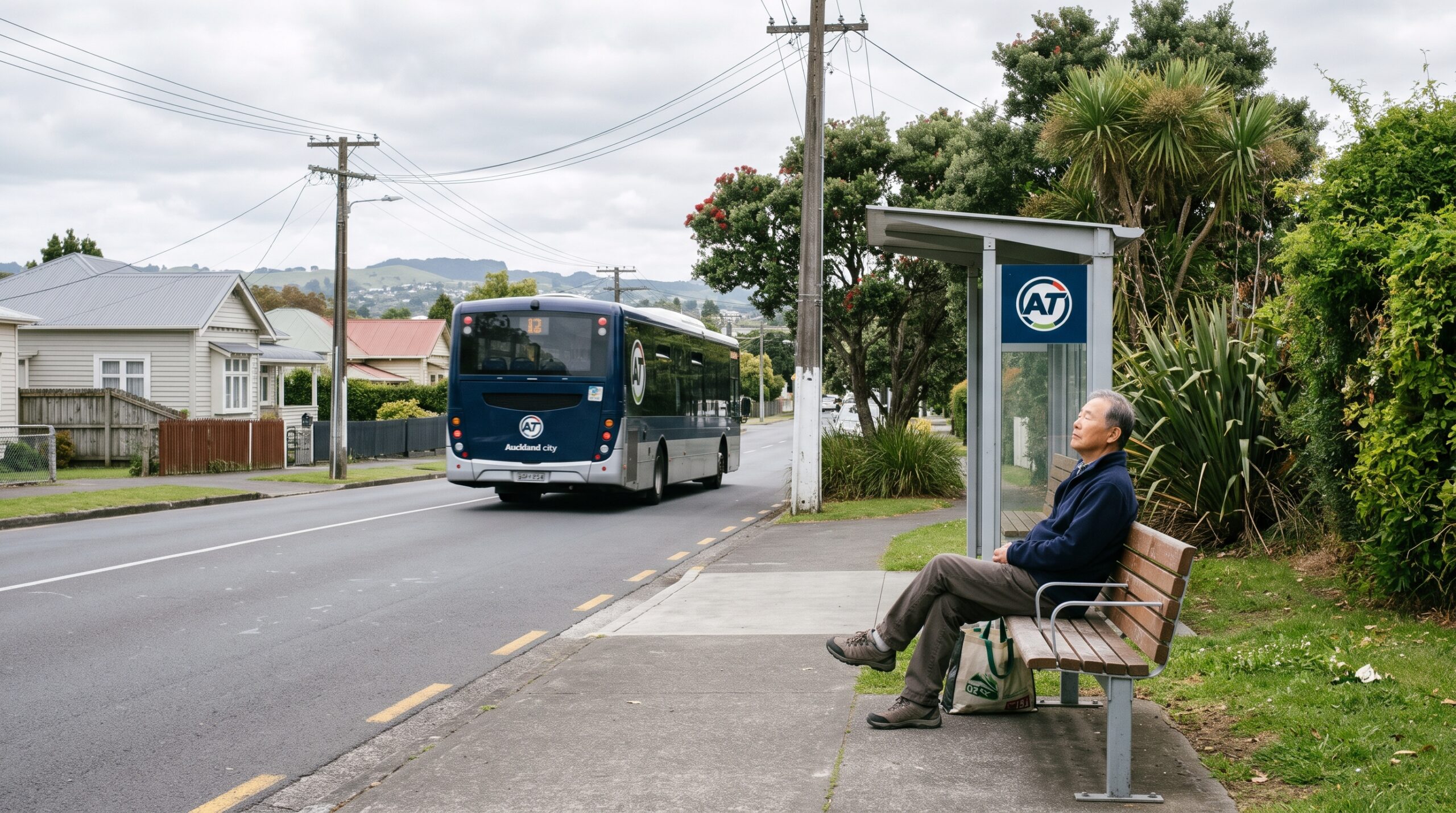
The Art of Waiting: Why Missing the Bus is a Healthy Micro-Habit
Stop running for the bus. Discover how the simple act of waiting can regulate your nervous system, protect your joints, and become a daily health micro-habit.
- Tags: Micro-Habit, Nervous System, Senior Mobility
Quick Summary
- Stop the Stress Spike: Running frantically for transit triggers a fight-or-flight response, flooding an aging body with unnecessary cortisol and straining the heart.
- Balance the Nervous System: Sitting on a bench and waiting naturally engages the parasympathetic nervous system, lowering blood pressure and improving capillary circulation.
- Protect Your Mobility: A sudden trip or fall on hard concrete while rushing can cause irreversible joint damage. Letting go of urgency protects your long-term independence.
Introduction
From my seat in the front of an Auckland city bus, I watch people navigate their daily lives. One of the most terrifying things I see is a senior citizen desperately running—sometimes even carrying a walking cane or crutch—just to catch my bus. They cross uneven pavements, ignore traffic, and board the bus gasping for air, their chests heaving in pain. For decades, our busy lives programmed us to believe that “missing out” or being late is a failure. But what if we completely changed this mindset? What if deliberately choosing not to run, and learning to wait, became one of your most powerful daily micro-habits?
1. The Root Benefit (Why This Matters After 65)
When you suddenly sprint for a bus, your body perceives a threat. You trigger an intense spike in the sympathetic nervous system (your “fight-or-flight” mode). Heart rate shoots up, adrenaline surges, and blood vessels constrict. While a young body recovers from this quickly, an aging body does not.
According to Dr. Hideyuki Negoro’s extensive work on the autonomic nervous system and capillary health, chronic activation of the sympathetic nervous system accelerates cellular aging and damages the micro-vessels that deliver oxygen to our organs. Conversely, when we consciously decide to slow down, sit, and wait, we activate the parasympathetic nervous system (the “rest and digest” mode). This physiological shift dilates capillaries, flushes out inflammatory stress hormones, and restores cardiac rhythm.
2. The Micro Habit (The Practical Daily Action)
A true micro-habit requires no equipment and zero willpower. It is simply a tiny shift in your daily default behavior.
The Habit: The next time you see your bus pulling up to the stop, and you are more than a comfortable walking distance away, stop walking.
Do not speed up. Do not jog. Simply watch the doors close and let the bus drive away. Walk the rest of the distance to the stop at a slow, comfortable pace. Sit down on the bench, feel the breeze, and wait 10 to 15 minutes for the next one. You are transforming a moment of panic into a mandatory rest period for your heart and mind.
3. Doing One Thing Different (Tips for Sustainability)
Breaking a 40-year habit of rushing takes a little practice. Here is how to make this micro-habit stick:
- Reframe the Wait: Remind yourself that city buses run every 10 to 15 minutes. You are not stranded; you are just early for the next one.
- Practice 4-4-8 Breathing: While sitting on the bench waiting, use the time to breathe. Inhale deeply through your nose for 4 seconds, hold for 4 seconds, and exhale slowly for 8 seconds. This forces the autonomic nervous system into a state of deep repair.
- Value Your Joints Over Time: Ten minutes of saved time is never worth a shattered hip. Remind yourself that your physical dignity and mobility are far more valuable than a bus schedule.
FAQ (Frequently Asked Questions)
Q: I feel incredibly anxious when I think I am going to be late. How do I stop the urge to run?
A: That anxiety is a leftover reflex from your working years. You have to actively talk to yourself. Remind yourself: “I am retired. I do not have a boss waiting for me. I have earned the right to move slowly.” If you have an appointment, simply plan to leave 20 minutes earlier so the journey itself becomes a relaxed stroll rather than a race.
Q: Isn’t a short burst of running good cardiovascular exercise?
A: Controlled, deliberate cardiovascular exercise in proper footwear on a safe surface is wonderful. Desperately sprinting in hard-soled shoes across uneven concrete while carrying groceries is not exercise—it is a massive injury risk. Protect your joints and get your heart rate up in a safe, controlled environment instead.
Conclusion
Aging with dignity means no longer being a slave to the ticking clock. We spend so much of our lives trying to get things quickly. Now is the time to focus on just being. The next time you see the bus pulling away, let it go with a smile. Sit down, take a deep breath, and enjoy the beautiful gift of a few quiet minutes in a busy world. There will always be another bus.
Evidence & References
- The Autonomic Nervous System & Capillary Health: Based on Dr. Hideyuki Negoro’s medical research on how shifting from a sympathetic to a parasympathetic state improves micro-circulation and prevents systemic cellular aging.
- Micro-Habits & Behavioral Shifts: Supported by Bill O’Hanlon’s Do One Thing Different, demonstrating that breaking a deeply ingrained habit (like rushing) only requires changing one small, actionable variable (stopping when you see the bus).
- Fall Risk in Seniors: Broad orthopedic consensus highlights that sudden, unbalanced movements (like running on uneven pavement) exponentially increase the risk of severe fractures in older adults, emphasizing prevention over minor time savings.