Understanding Animal Fats: Butter vs. Beef Fat and Gut-Friendly Digestion After 65
Learn the difference between butter and beef fat, how our bodies digest fats as we age, and simple micro-habits to support gut health and metabolic balance.
Tags: gut-health, micro-habits
Quick Summary:
- Butter contains easily digested short-chain fats but carries trace dairy proteins that can trigger gut inflammation.
- Beef fat consists of longer-chain fats that require more bile and pancreatic enzymes to successfully break down.
- Digestive slowing: As we age, our natural digestive juices decrease. Supporting fat digestion requires smaller portions and the micro-habit of thoroughly chewing our food.
Introduction
As I navigate my 66th year, I’ve had to take a much closer look at what actually fuels my body versus what slows it down. We often hear debates about which fats are healthy. Should we use butter to cook our morning eggs, or is beef fat a better traditional choice? For me, the answer became clear when I realized that any form of dairy severely triggers my gut inflammation. But beyond my personal allergies, understanding how these fats differ—and exactly how our aging digestive system handles them—is crucial for maintaining our metabolic foundation and daily energy.
Section 1: The Root Benefit (Butter vs. Beef Fat)
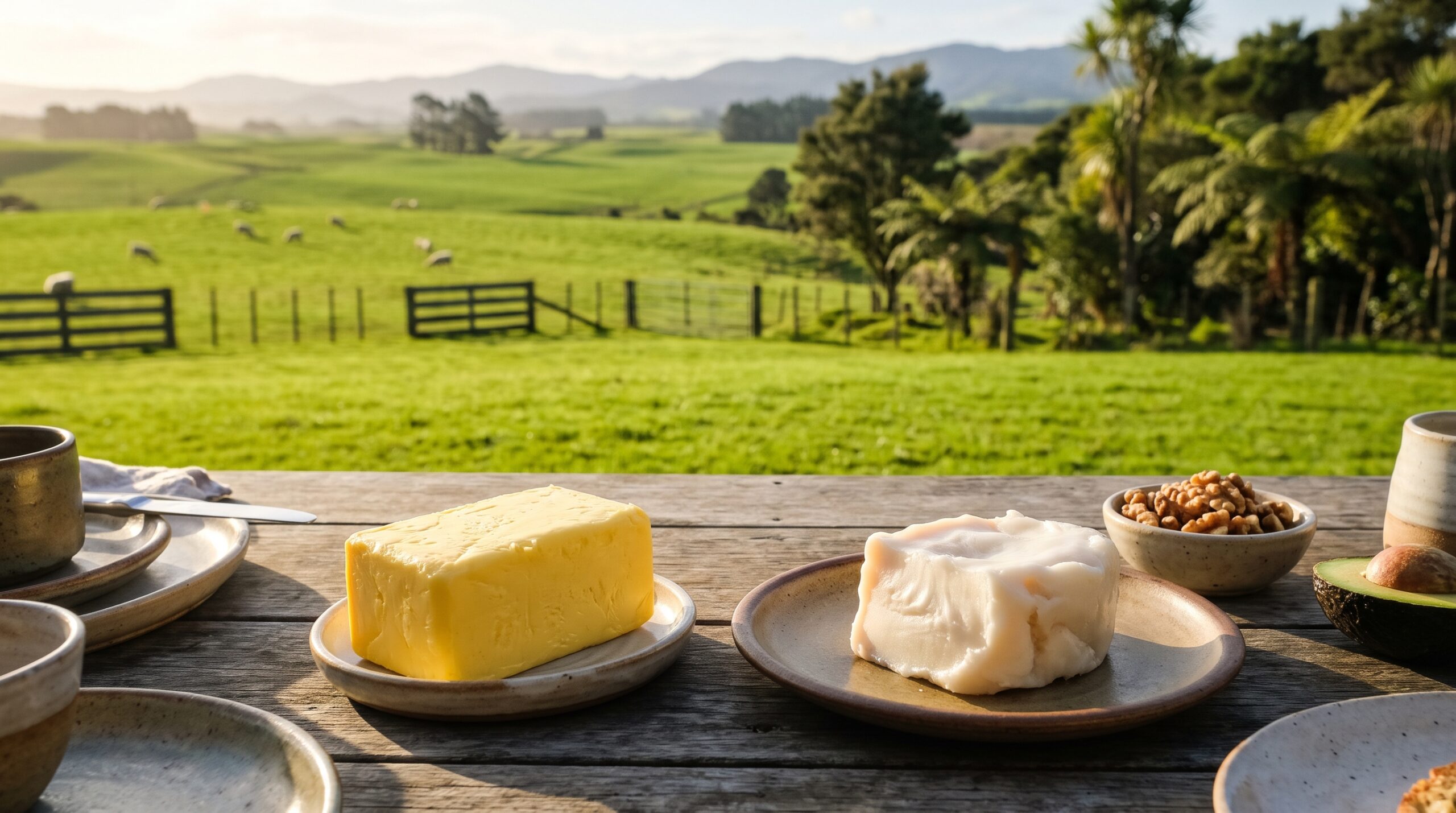
While both are saturated animal fats, they have distinct structures and impacts on the gut microbiome. Butter is derived from milk fat. It contains a high amount of short-chain and medium-chain fatty acids (like butyrate), which are relatively easy for the body to convert into quick energy. However, butter also carries remnants of dairy proteins, specifically casein and whey. For those of us sensitive to dairy, these proteins can cause systemic inflammation, joint stiffness, and disrupt the delicate gut lining.
Beef fat (tallow or suet), on the other hand, is pure animal tissue consisting primarily of long-chain saturated fats (such as stearic and palmitic acid). It contains zero dairy proteins, making it safe for those with specific dairy allergies. However, its long molecular chains mean it is much denser and requires a far more robust digestive process to break down fully.
Section 2: The Micro Habit (How Fat is Actually Digested)
Understanding the mechanics of digestion changes how we approach our meals. Fat does not digest well in the watery environment of the stomach. When fat enters the small intestine, the liver and gallbladder must release bile to emulsify it—acting exactly like dish soap breaking up grease in a frying pan. Once emulsified, the pancreas secretes an enzyme called lipase to dismantle the fats into fatty acids so they can be absorbed into our lymphatic system.
As we cross the age of 65, the volume and potency of our bile and pancreatic enzymes naturally decrease. A heavy, fat-laden meal that we could easily process at 40 can now leave us feeling bloated, sluggish, and uncomfortable for hours.
Section 3: Doing One Thing Different
If we want to build a fundamentally healthy body constitution without overwhelming ourselves, we just need to change one small variable. If you choose to consume fats—whether it’s a lean cut of beef or healthy plant-based fats like walnuts during your 16:8 fasting window—my micro-habit is incredibly simple: chew thoroughly and keep the portion small.
By chewing your food down to an absolute liquid state before swallowing, you mechanically break down the fats before they even reach your stomach. This takes a massive amount of heavy lifting off your aging gallbladder and pancreas. It requires zero willpower, just a moment of mindfulness at the dinner table.
FAQ
- Q: I love the taste of butter, but it upsets my stomach. Is there an alternative?
- A: If you suspect a dairy sensitivity like mine, it’s best to strictly avoid butter. While ghee (clarified butter) removes most dairy proteins, high-quality plant fats—like cold-pressed olive oil, avocados, or eating whole raw nuts—are excellent, inflammation-free alternatives for your daily meals.
- Q: Why do I feel so tired and lethargic after eating a fatty steak?
- A: Heavy animal fats require an immense amount of metabolic energy to produce the bile and enzymes needed for digestion. As our enzyme production slows with age, the body diverts more blood and energy to the gut to handle the workload, leaving your brain and muscles feeling temporarily drained.
Conclusion
Aging with dignity means listening to the quiet signals our bodies send us. We don’t need extreme diets or complex nutritional math; we just need to respect our metabolic limits. By making the frictionless choice to chew longer, eat smaller portions of fat, and strictly avoid our personal inflammatory triggers, we protect our gut, preserve our energy, and maintain our independence—one meal at a time.
Evidence & References
- Metabolical by Dr. Robert Lustig: Highlights the metabolic strain of processing dense fats and the importance of supporting natural organ function over forcing the gut to overwork.
- The Plant Paradox & The Energy Paradox by Dr. Steven R. Gundry: Explains the inflammatory effects of specific dairy proteins (like Casein A1 found in most cow’s milk and butter) on the gut lining and systemic energy levels.
- Gastrointestinal Aging (General Medical Principles): Confirms the physiological decrease in bile acid concentration and pancreatic lipase secretion associated with natural aging.