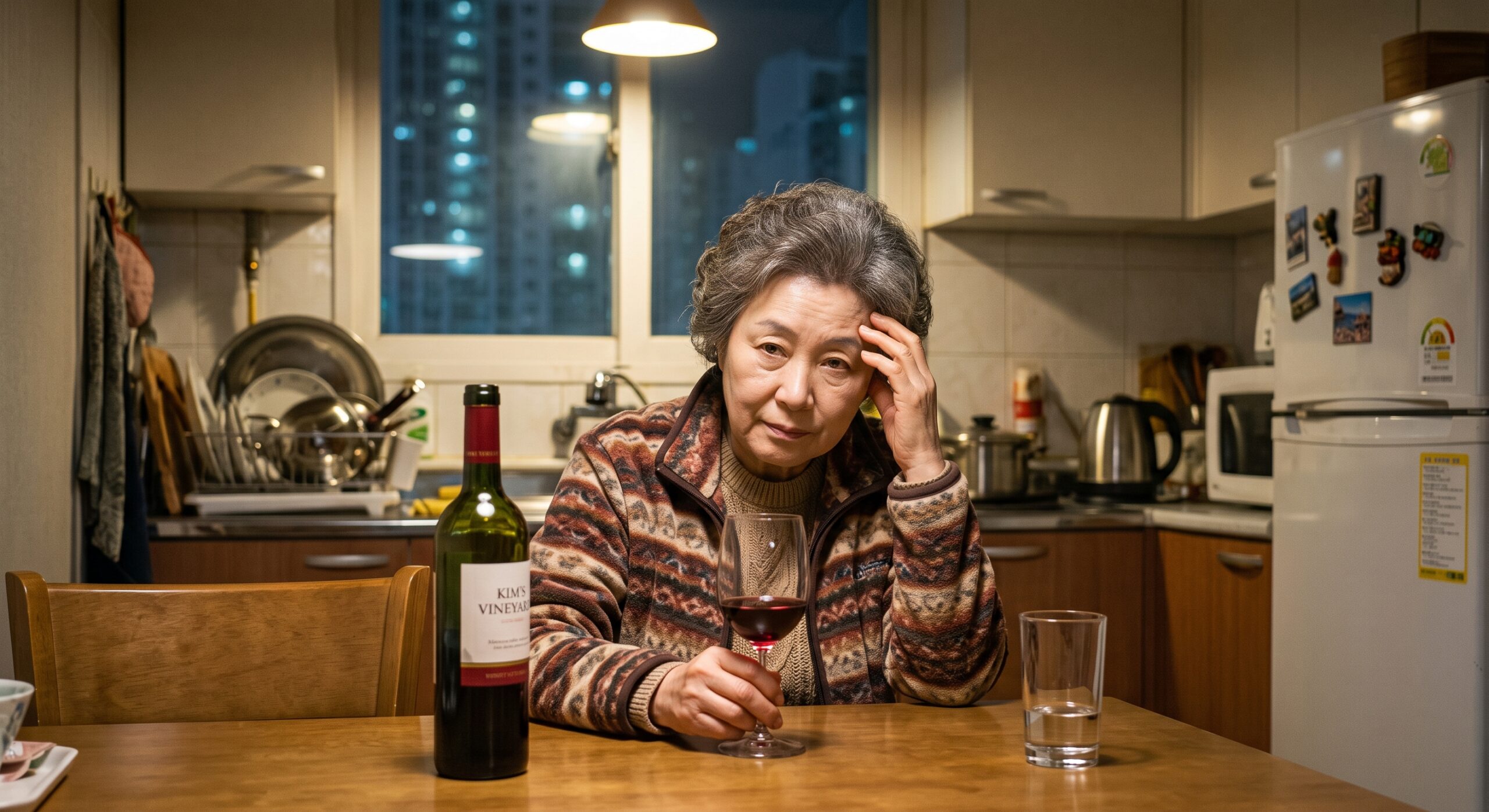
Is Wine Really Good for Health? A 10-Year Auckland Bus Driver’s Take on Senior Alcohol Dependency
A 10-year Auckland bus driver shares insights on senior health, the reality behind cheap wine culture, the hidden risks of elderly alcohol dependency, and practical alternatives for a vibrant, alcohol-free retirement.
1. Shaking Hands at the Bus Entrance
Having driven buses in Auckland for a decade, I frequently meet senior passengers who struggle to tag their AT HOP cards due to noticeably trembling hands. While hand tremors can stem from various health conditions, the subtle smell of alcohol and unsteady balance often point to chronic alcohol dependency or withdrawal symptoms.
I used to drink in the past, but I chose to quit entirely for my health. The temporary comfort alcohol offered never outweighed the fatigue and lethargy I felt the next day. Watching passengers step onto the bus in such fragile states is a constant reminder of how deeply alcohol can disrupt daily life.
2. Cheap Wine and the “One Glass a Day” Myth
In New Zealand, a country renowned for its wine production, buying a bottle of wine at the supermarket for around $10 is easy and affordable—often costing little more than water or milk.
Many people justify daily drinking with the common belief that “a glass of red wine a day is good for the heart.” However, whether it is wine or spirits, alcohol remains a substance that impairs the brain and nervous system. As we age, body water content decreases, and liver detoxification and alcohol metabolic efficiency drop sharply. Consequently, older adults reach higher blood alcohol levels much faster than before, even with small quantities. Even low levels of consumption increase the risk of brain damage, dangerous interactions with chronic disease medications, and serious fall or fracture injuries. It is vital to look past the misconception that wine is a health tonic.
3. Retirement, Isolation, and the Loneliness Trap
Entering retirement around age 65 often brings a sudden shift to a quiet, repetitive daily routine. As children move out and daily contact with colleagues ends, feelings of isolation and boredom can set in unexpectedly.
What begins as “just one glass in the evening” can easily slip into daytime drinking or relying on alcohol to fall asleep. Research by Age Concern indicates that loneliness in older age can be as damaging to health as smoking. In a quiet home, accessible wine easily becomes a coping mechanism, gradually eroding self-control and leading toward addiction.
4. Healthy Daily Habits to Replace the Glass
Reducing alcohol intake works best not through sheer willpower alone, but by filling your days with positive, restorative habits:
- Sunlight and Daily Walks: A 30-minute walk in a local park stimulates serotonin production, lifting your mood and improving sleep quality so you don’t feel compelled to drink before bed.
- Community Engagement: Joining neighborhood groups such as U3A, library book clubs, or lawn bowls clubs provides meaningful social interaction to keep loneliness at bay.
- Refreshing Alternative Drinks: When an evening craving strikes, swap alcohol for sparkling water with a slice of lemon or a warm cup of herbal tea.
- Professional Support Services: If managing this alone feels overwhelming, reach out to your GP (General Practitioner), utilize Age Concern visit services, or contact dedicated alcohol support helplines.
5. Conclusion
As the years add up, what we truly need is not alcohol, but a clear mind and warm human connections. Instead of turning to a bottle, step outside and engage with the community around you. Embracing physical and mental well-being is what makes retirement truly liberating and rewarding.—-
Frequently Asked Questions (Q&A)
Q1. Isn’t a daily glass of red wine helpful for cardiovascular health?
A1. Modern health research, including guidelines from Health New Zealand / Te Whatu Ora, shows that even small amounts of alcohol can increase risks of brain damage, cancer, and liver disease. For seniors with slower metabolism and multiple prescribed medications, the potential harms far outweigh any claimed benefits.
References & Sources
- Ministry of Health NZ / Te Whatu Ora – Low-Risk Alcohol Drinking Advice
- Age Concern Auckland – Breaking Barriers Research: Loneliness and Social Isolation Among Older New Zealanders (2025)
- Heart Research Institute NZ – Alcohol and Heart Disease Guidelines